Parking issues are one of the most common sources of frustration in residential developments. Whether it’s unauthorised vehicles, inconsiderate parking, or abandoned cars, it’s important to understand what can legally be done, especially where the land is privately owned.
1. Understand the Type of Land
The first step is to establish whether the parking area is:
If the area is private, the local council generally has no enforcement powers, and they will not issue fines or remove vehicles unless there is a safety issue. Responsibility typically falls to the freeholder or managing agent.
2. Check the Lease or Title Documents
Before taking any action, review the lease:
Lease terms are crucial because they determine what enforcement options are legally available.
3. Dealing with Unauthorised or Inconsiderate Parking
If someone is parking without permission:
However, informal notes alone are not sufficient for enforcement.
4. Using a Parking Enforcement Company
One of the most effective solutions is to appoint a private parking enforcement company. These companies can:
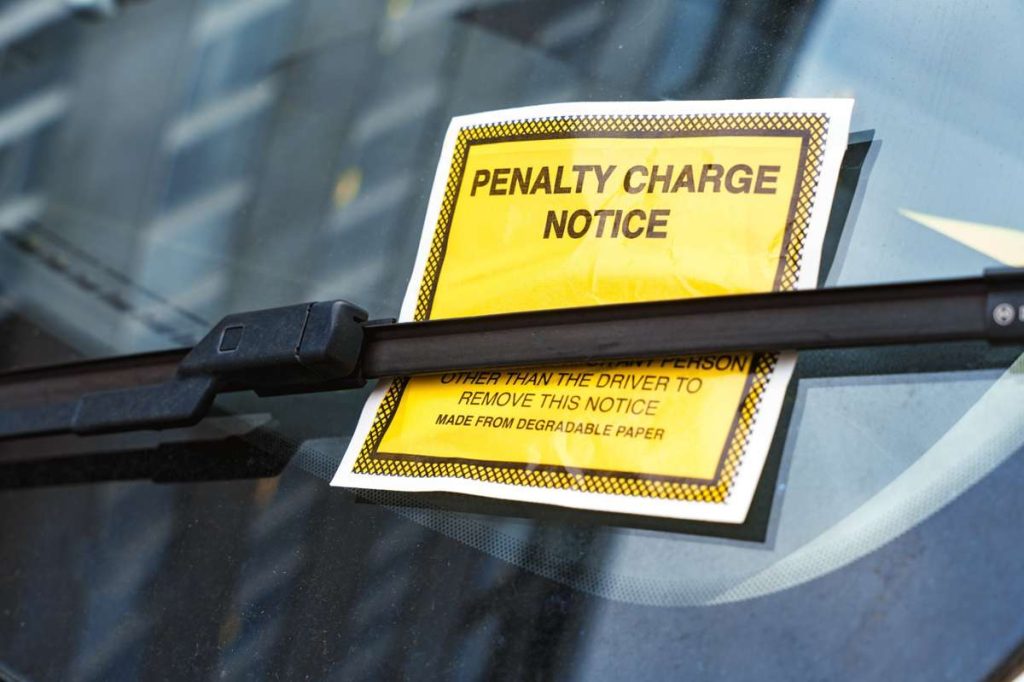
This approach is often the most practical long-term solution, as it deters misuse and streamlines this process. However this may not be suitable for every development, so getting your neighbours on board would be a good idea.
5. Obtaining Keeper Details (DVLA – V888 Form)
In certain cases, you may apply to the DVLA for vehicle keeper details using a V888 form.
Key points:
This route is typically used in more serious or prolonged situations, such as abandoned vehicles.
6. Abandoned Vehicles on Private Land
If a vehicle appears abandoned:
If no action is taken by the council, you may need to proceed privately.
7. Issuing a Torts (Interference with Goods) Notice
If a vehicle is left without permission, it may legally be considered trespass or interference with land.
You can:
Important:
8. Vehicle Removal (Important Legal Considerations)
Vehicle removal on private land must be handled carefully.
Because of the legal risks:
It is not uncommon for removal to take months, especially where there is a risk the owner returns and disputes the action.
9. Preventative Measures (Best Practice)
The best way to manage parking issues is prevention:
Summary
Parking issues on private developments require a careful and structured approach. While it can be frustrating, acting outside the law (e.g. unauthorised clamping or towing) can create serious liability.
In most cases, the most effective solutions are:
If in doubt, please contact Legacy Block Management before taking action.